
Long before collagen powders existed, cultures around the world were quietly making beauty foods like this in their kitchens.
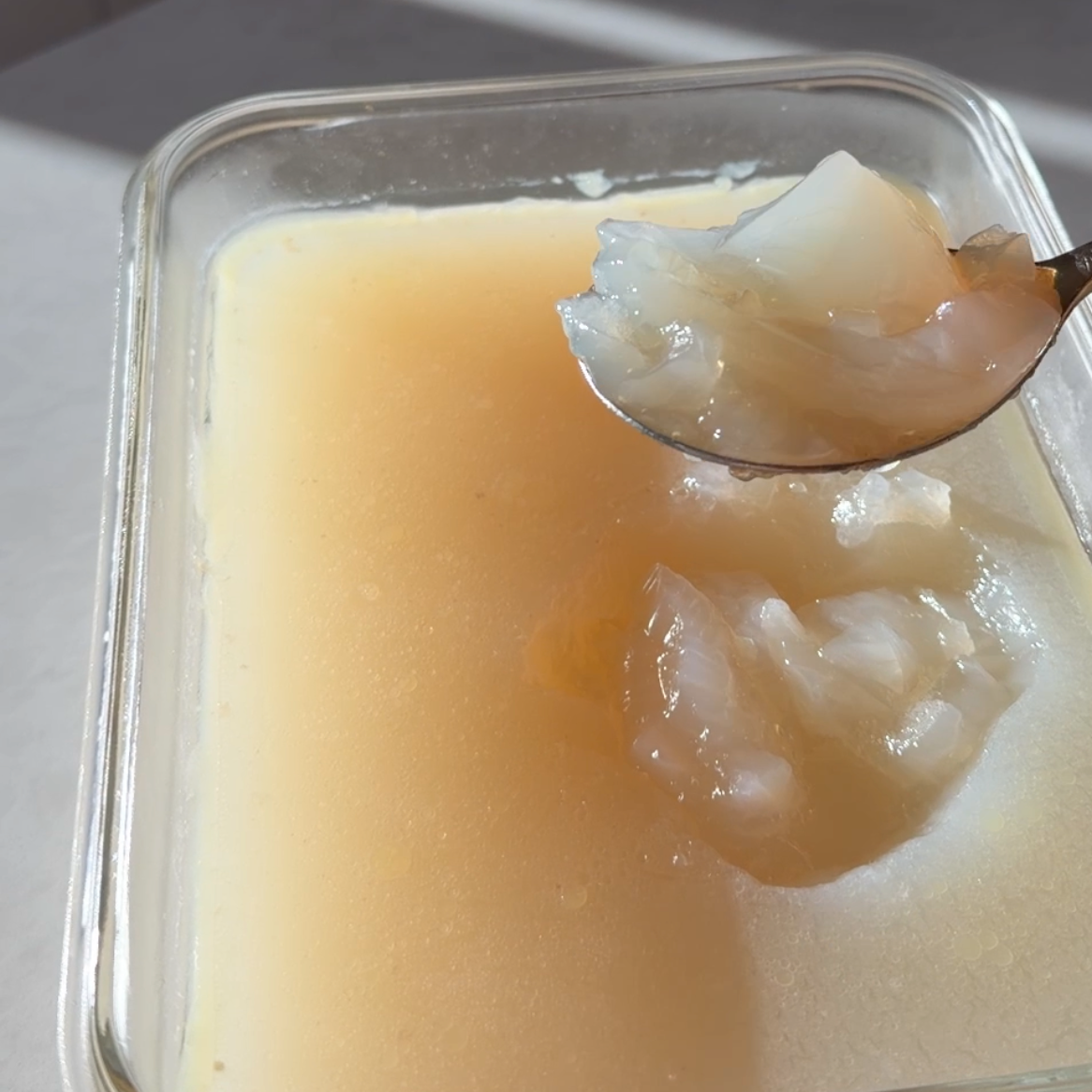
Chicken feet broth is one of the most traditional ways to extract collagen, gelatin, and minerals from the animal in a deeply nourishing, whole-food form. When simmered slowly, the connective tissue in the feet releases collagen that gives the broth its signature gelatin texture once chilled.
It’s simple, inexpensive, and incredibly nutrient-dense.
In many traditional kitchens, broths like this were used daily as the base for soups, grains, sauces, and even morning drinks. What many people now try to replicate with powders once came from slow simmering pots like this.
And the best part? Chicken feet are usually one of the most affordable cuts you can buy.
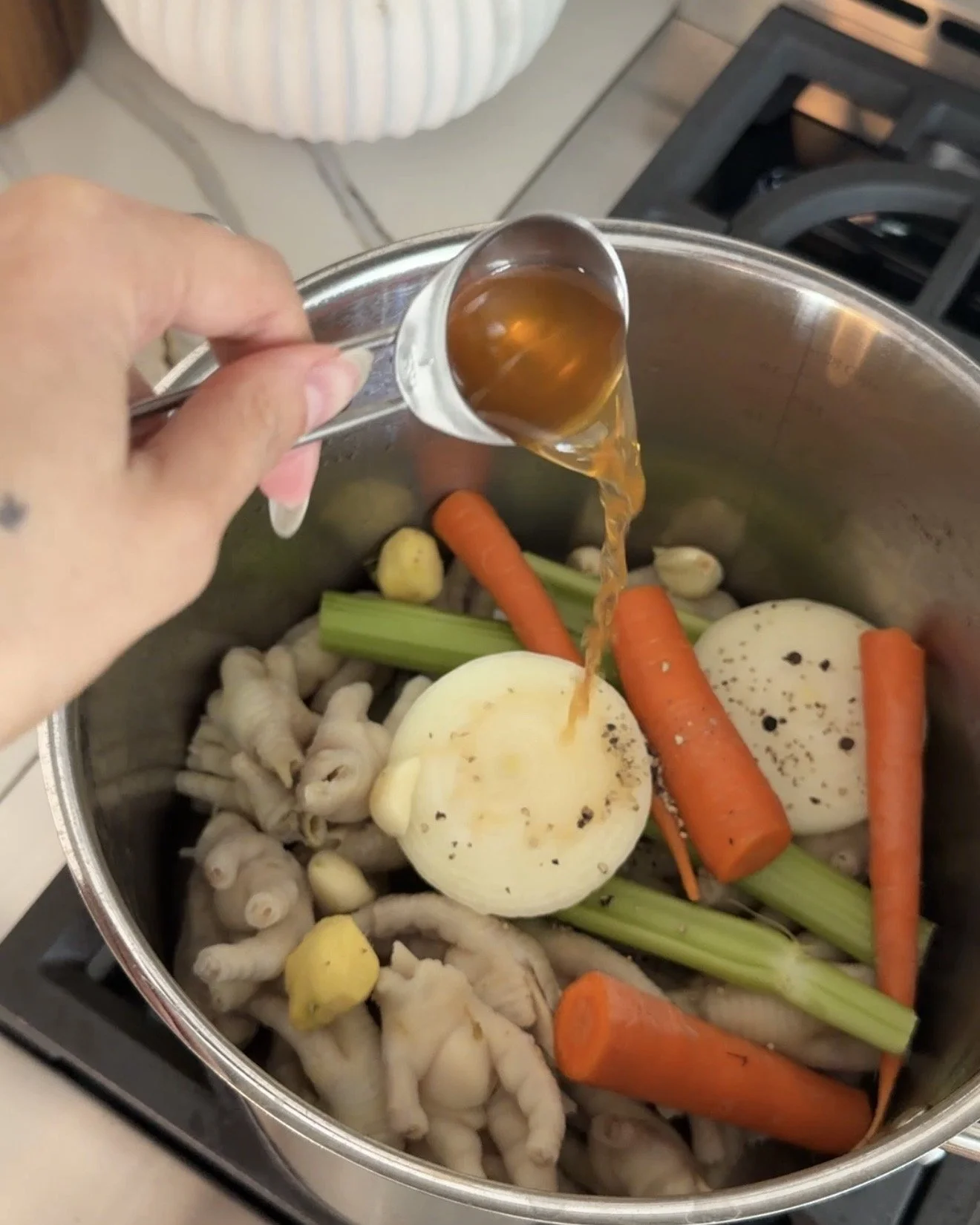
Chicken Feet Broth Recipe
Ingredients
1.5–2 lbs organic chicken feet
1 onion, halved
2 carrots
1 parsnip
2 celery stalks (I like it mineral-heavy)
3–4 garlic cloves, smashed
1–2 inch piece fresh ginger
2 bay leaves
½–1 tsp coarse black pepper
2 tbsp apple cider vinegar
Fresh parsley (added in the last 30 minutes)
Sea salt to taste (after cooking)
Method
1. Blanch the feet first
Cover the chicken feet with water and bring to a hard boil for about 5 minutes. Drain, rinse well, and trim the nails. This removes impurities and keeps the broth clean rather than murky.
2. Start the broth
Return the feet to a clean pot and cover with fresh filtered water so the water sits about 1–2 inches above the ingredients.
3. Add the vegetables and aromatics
Add the onion, carrots, parsnip, celery, garlic, ginger, bay leaves, black pepper, and apple cider vinegar.
4. Simmer gently
Bring everything to a gentle boil, then reduce to a very low simmer. The broth should barely bubble. Let it simmer for 4–8 hours.
5. Add parsley at the end
Add fresh parsley stems during the final 30 minutes of cooking.
6. Strain and finish
Strain the broth and add sea salt after cooking.
Once refrigerated, a properly extracted broth will set like jelly. That gelatin texture is a sign the collagen has been successfully pulled from the bones and connective tissue.
Ways I Use Chicken Feet Broth
This broth becomes a base ingredient for so many everyday foods.
Scrambled eggs
Add a spoonful of the gelatinous broth to the pan while cooking eggs. It melts instantly and makes them silky and rich.
Rice or rice pilaf
Cook rice in broth instead of water so the grains absorb the minerals and collagen.
Soup base
Use it as the base for vegetable soups, chicken soup, or lentil soup.
Sauce booster
Drop a frozen cube of broth into sauces or stews to deepen flavor and nutrition.
Drink it warm
Simply warm a mug with sea salt and sip it like a mineral-rich tea.
Why This Broth Is Considered a “Beauty Food”
One of the reasons traditional broths like this have been valued for centuries is their naturally occurring collagen and gelatin.
When collagen is slowly extracted from connective tissue, it creates a broth rich in amino acids that support the body’s own production of collagen, along with minerals pulled from the bones and vegetables.
In traditional cultures, foods like this weren’t thought of as supplements or trends. They were simply part of everyday cooking. Soups simmering on the stove, grains cooked in broth instead of water, and mugs of warm broth were enjoyed during colder months.
Over time, many people noticed that these foods seemed to support strong joints, healthy digestion, and resilient skin.
Today collagen powders try to recreate what traditional kitchens were already doing: slow cooking whole foods in a way that makes their nutrients more available.
Sometimes the simplest, oldest methods are still the most effective.